
Agentic Design System & Plugin
A human designer reads a guidelines PDF and fills the gaps with judgment. A machine reads the same PDF and fills the gaps with guesswork. The work that comes back looks plausible and reads as generic. The fix isn't to ban the tools - it's to write the brand so machines and humans both ship from the same source,
and so judgment stays where it belongs: on the decisions that actually need it.
01 The Problem
The system's newest consumer doesn't attend critique.
Decks, social posts, and web assets each started from scratch, so every author landed on a slightly different colour, weight, and tone. Then the failure mode got faster: AI agents drafting first versions produced work that looked plausible and read as generic SaaS — because all they had was a guidelines PDF written for a human who would interpret it.
A human developer fills gaps in a sloppy file with judgment. An agent reads exactly what is there and fills the gaps with guesswork. The brand had to stop being documentation and become instructions a machine can execute — without losing the opinionated decisions that make it OpenOps and not Tailwind-default.
02 The
Method
Brand as infrastructure —
four moves.
The kit is built on three machine-readable layers plus a contract that loads them. Spec files carry the rules, the token layer carries the values, and an audit checklist catches what the agent gets wrong — so quality stops depending on whoever happens to be reviewing.
01
Tokens, not screenshots.
Every color, type ramp, radius, and spacing value is assigned a specific name. The kit is delivered as a machine-readable file rather than a lengthy 200-page deck. The phrase "Around the brand green" is no longer something anyone can comfortably say.
02
Closed sets, not vibes.
Layout patterns, slide masters, and asset templates are all named recipes. Producers choose from this menu, eliminating the need for anyone to create a plausible near-miss layout since the system never provided one.
03
A contract, not a guidelines doc.
One file outlines the visual canon with precise values, the voice canon through always/never lists, and the routing details - indicating which pipeline to load for each deliverable. This is the first resource any author, human or otherwise, accesses.
04
Production skills, not handover briefs.
Each type of deliverable, whether a deck, carousel, banner, or post, functions as an installable pipeline. Input a brief, and output a finished asset. These pipelines are versioned and documented, ensuring that the same pipeline produces consistent brand assets even a month after initial release.
03 How It
Works?
The same shape works anywhere a studio ships at volume.
The method isn't tied to FinOps software, or to dark-canvas decks, or to a particular tool. It's tied to a question: where does your studio produce more than your senior team can review? Apply the four moves there.
Advertising agency
Campaign systems where junior creatives and AI assistants produce on-brief work at house style. The contract handles hierarchy, tone, and approved layouts. The skills generate first drafts. The art director spends time on the twenty percent that actually needs taste.
Identity studio
Brand books delivered as executable artifacts — not 200-page PDFs that age the moment they ship. Clients (and their automated workflows) produce on-brand work months and years after handoff. The kit is the deliverable; the document is the receipt.
Editorial & publication
Art-directed templates that survive automated layouts and stringer workflows. Cover art, social cards, and feature openers stay in voice across hundreds of stories — not because every art director reviews each one, but because the templates can't render off-brand output.
Motion & video
The same canon applied to Remotion, After Effects, and Premiere pipelines. The animated reel reads as the same brand as the deck because both load the same tokens, the same type ramp, the same green moment rule. Continuity stops being a craft argument and becomes a configuration.
04 The Agent
Contract
The agent assembles.
The skills decide what assembly means.
Spec files tell an agent what the brand is; skills tell it how to build. Each skill is an installable, versioned pipeline with the canon baked in — a topic brief goes in, a finished deliverable comes out. And because agent output is measurable, the system's quality finally has numbers attached.
Animated Carousels
The illustration system is inspired by the meeting point of science and fine art. It uses soft organic shapes, hand-drawn lines, small dots, subtle orbital paths, and abstract gesture marks to express discovery, precision, and human intuition.
The style should feel minimal, elegant, and museum-like, with references to Matisse and Miró translated into a clean scientific language.
Illustrations should never feel decorative or busy; they should act as quiet visual signals that support the brand concept and create a sense of movement, curiosity, and refined intelligence.
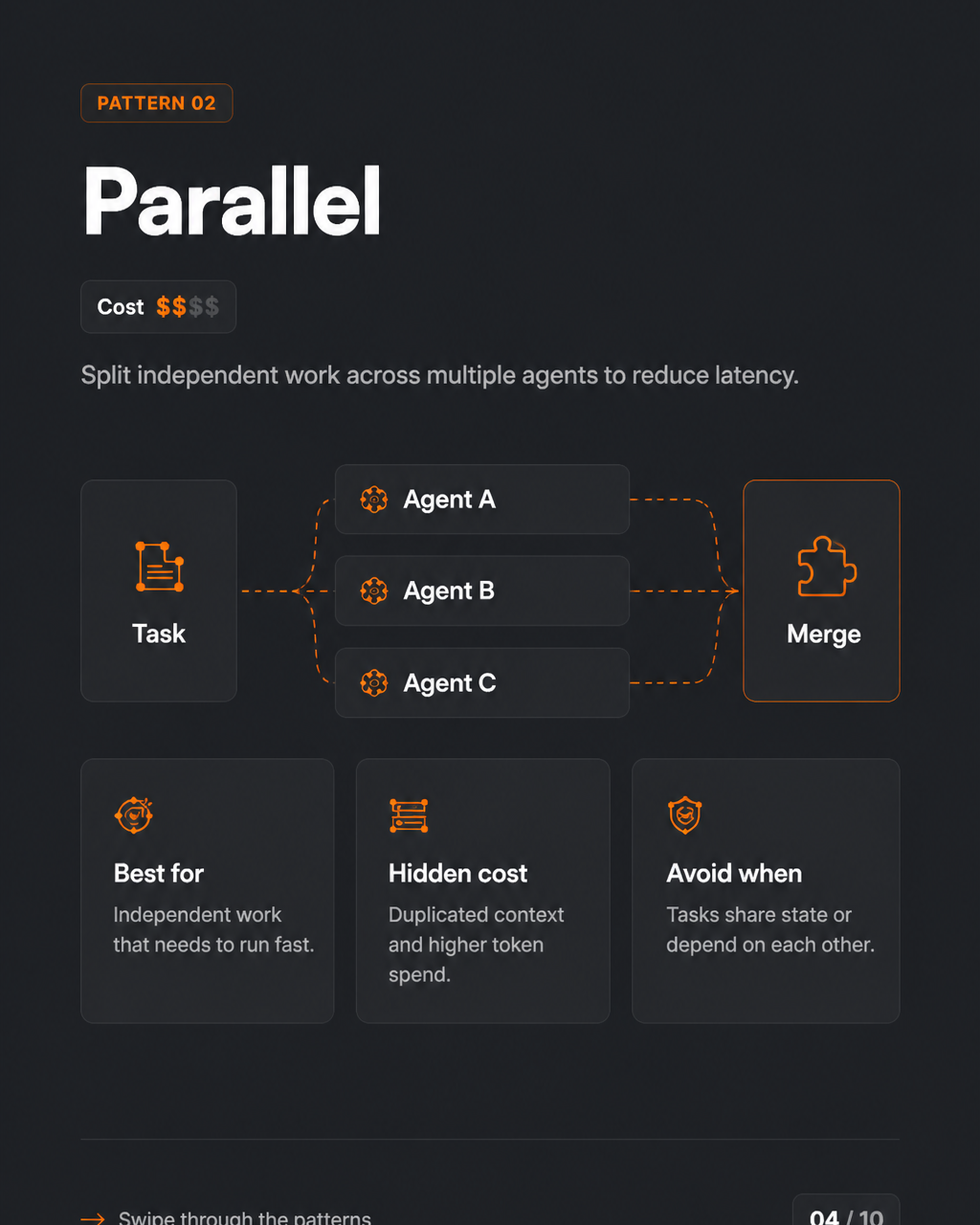
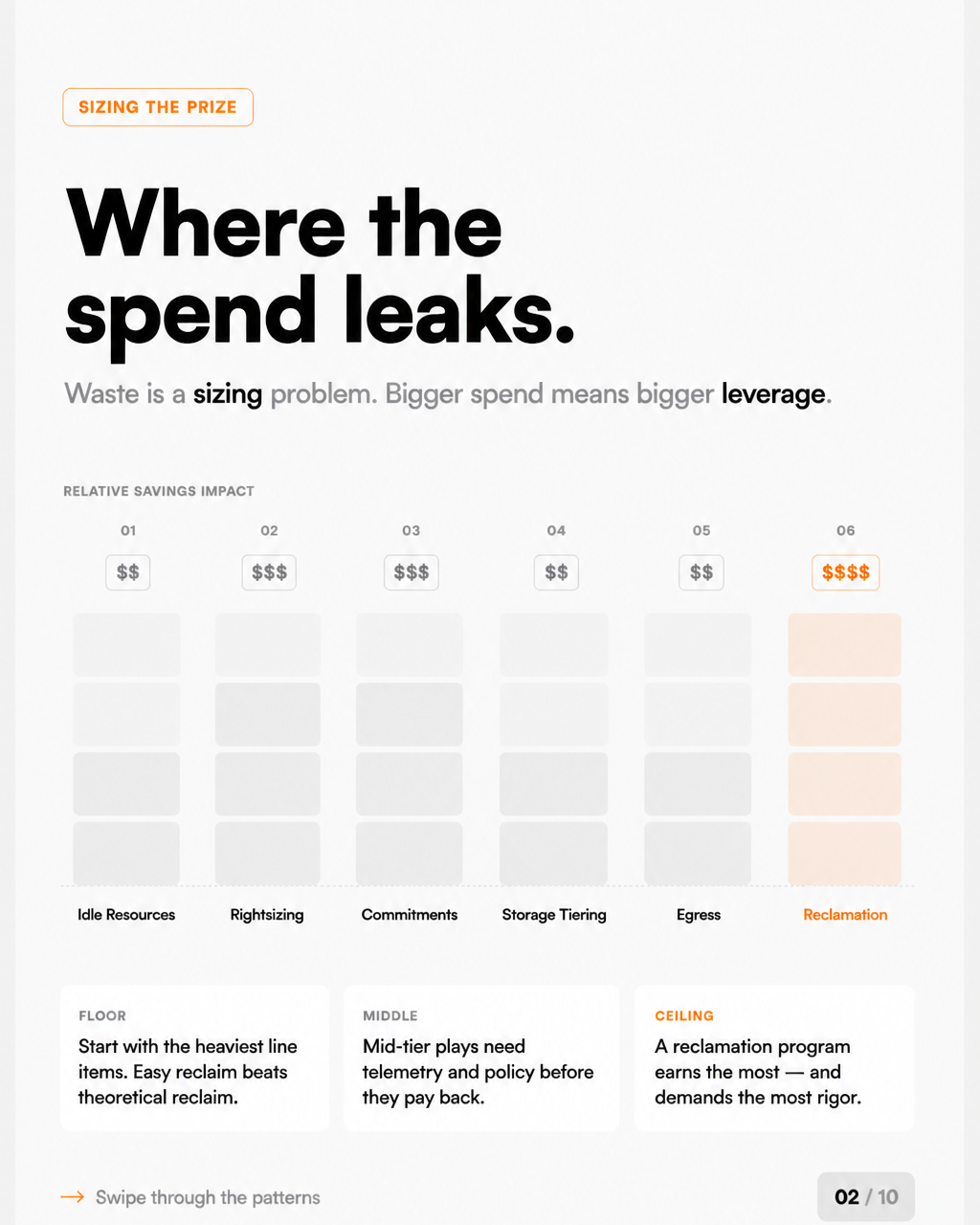
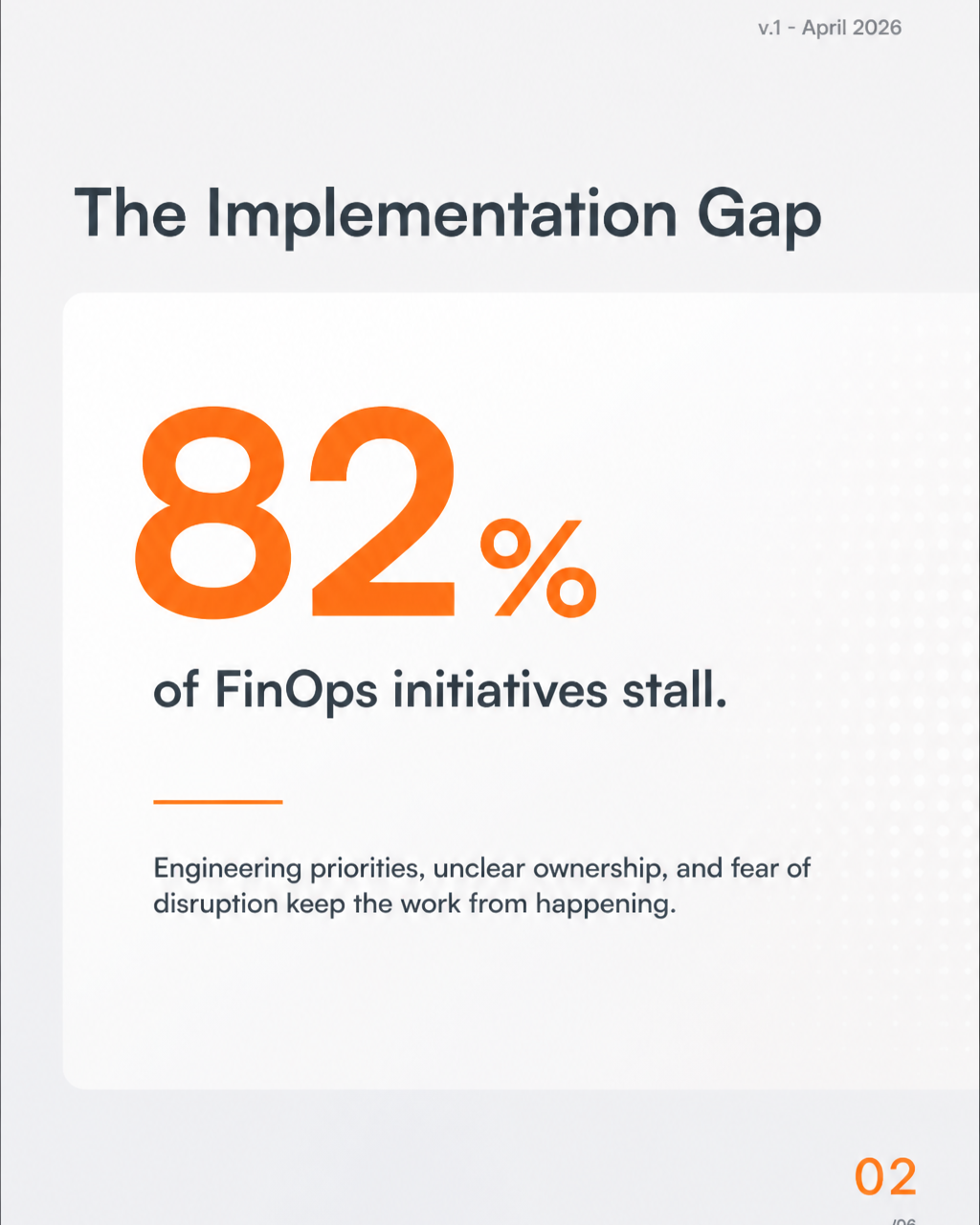
The highest-impact file in the kit.
Tokens stop drift between designers. The agent contract stops drift between humans and AI. CLAUDE.md states the source hierarchy, the visual canon with exact values, the voice canon as always/never lists, and routing rules — which pipeline to load for each deliverable type and where the final lives.
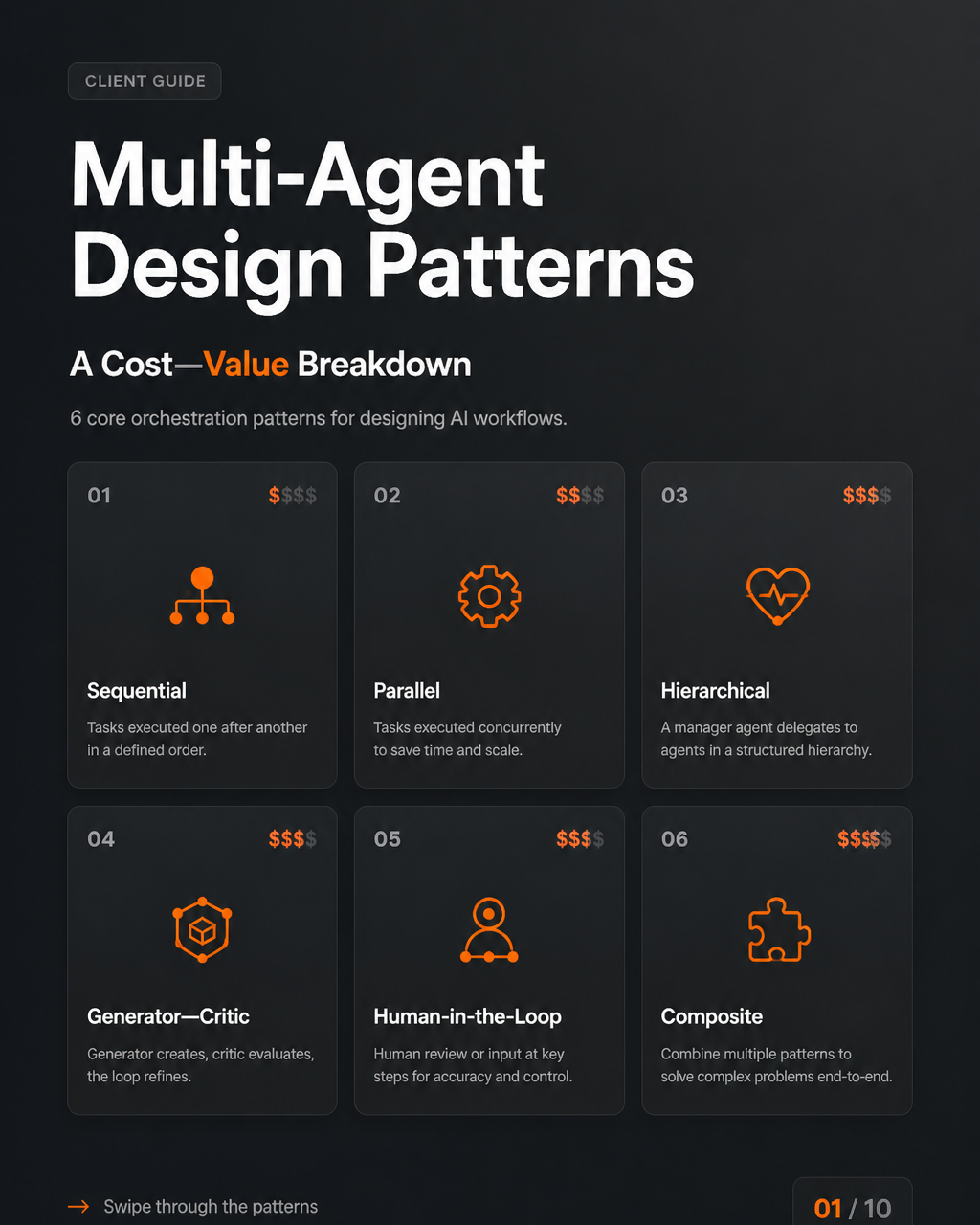
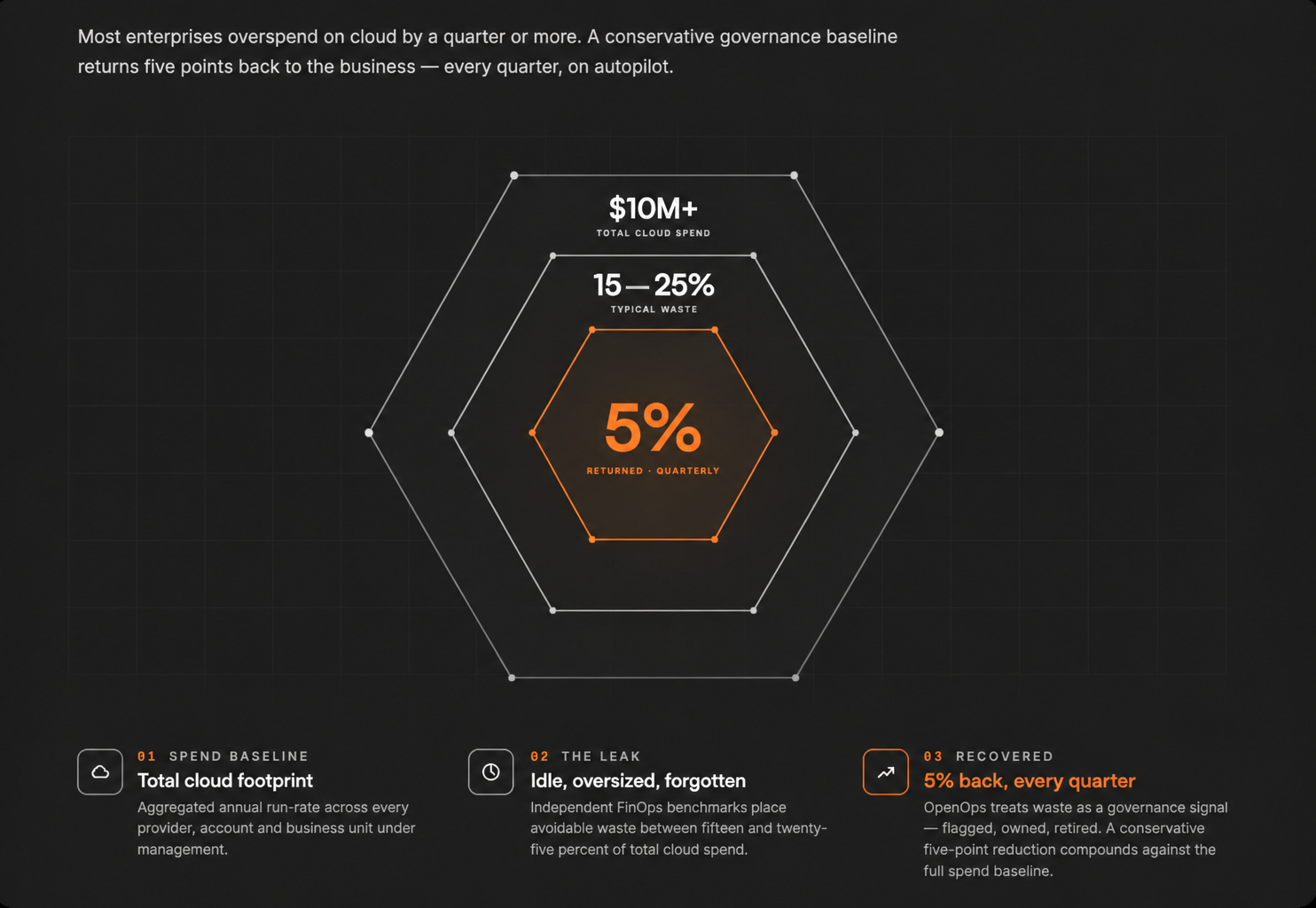
Animated Infographics
Data flows, metric charts, and process diagrams that animate on cue — each assembled from the token layer so the typeface, colour, and spacing are always on-brand. Brief a dataset, receive a finished infographic that ships in the right format without a production pass.
Connect with me to explore your project's potential.

David Budzik
CONTACT
(972) 054 5352195
bzik.david@gmail.com
